Set 05 of 05
The European Health Insurance Card
- First played
- Length2 min read
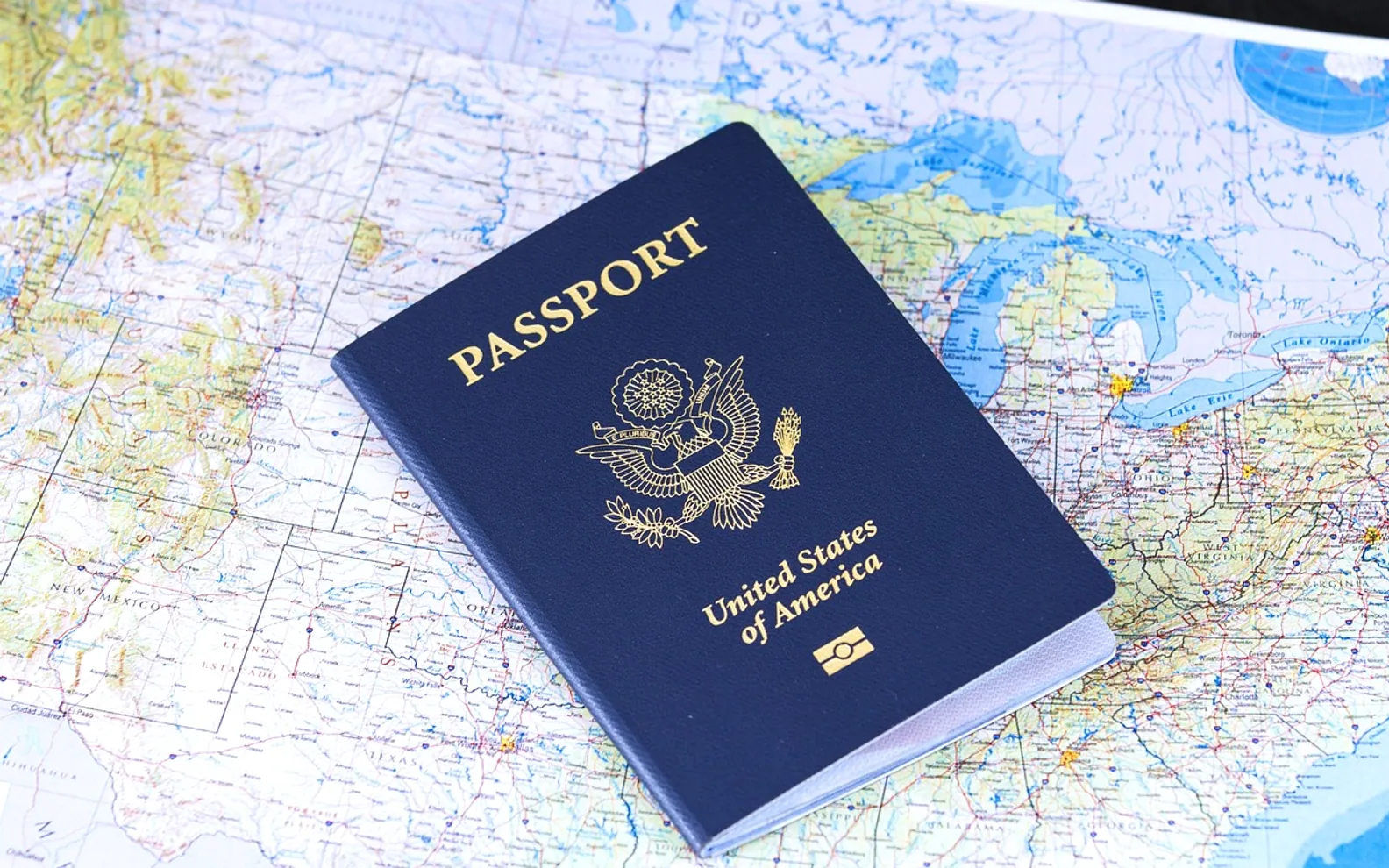
For travelers moving around Europe, the European Health Insurance Card, or EHIC, is one of the most useful documents to carry alongside a passport. It gives the holder access to state-provided healthcare in participating countries on the same terms as local residents. That might mean treatment is free, or it might mean paying a reduced fee, depending on how each country runs its public system.
What the Card Does and Does Not Do
The EHIC is designed for medically necessary care that comes up during a temporary stay: an infection, an injury, or a flare-up of an existing condition. It can also cover ongoing treatment for chronic illnesses, such as dialysis, though this kind of care often needs to be arranged in advance. Routine maternity care can be included as long as the purpose of the trip is not to give birth abroad.
There are clear limits. The card only applies within public healthcare, not private clinics. It does not pay for repatriation, mountain rescue in many places, or lost and stolen belongings, and it does not cover trips made specifically to receive treatment. Because costs and co-payments vary from one country to the next, it is sensible to check how the system works in your destination before you go. For all these reasons, the EHIC works alongside travel insurance rather than replacing it.
Who Is Eligible
Eligibility generally depends on being insured through, or living in, a country that takes part in the scheme: the EU member states, the wider European Economic Area and Switzerland. Each person traveling needs a card of their own, including children. Family members and dependants can often be added to the same application, with personal details such as name, date of birth and national health or insurance number supplied for each.
Rules for the United Kingdom changed after Brexit. Most UK residents now apply for a Global Health Insurance Card instead, while some groups can still hold a UK-issued EHIC. Anyone unsure which applies to them should check with the official health service before traveling.
Applying or Renewing Safely
In most countries, applying is free and can be done online, by phone or by post through the national health insurer or health service. Cards are valid for several years, so it is worth checking the expiry date well ahead of any trip. UK travelers can find guidance on how to renew EHIC cover, and should take care to understand exactly which services an intermediary provides before using one.
A few habits help avoid trouble: start the process early, double-check every detail you enter, keep a copy of your confirmation, and be wary of any site that charges a fee without explaining clearly what it offers in return.
Before You Travel
Pack the physical card, or know how to show proof of cover if your country issues a temporary certificate. Take out travel insurance that suits your plans, especially if you intend to hike, dive or ski. Carry a list of any regular medicines and talk to your doctor or pharmacist about managing them while away. With those basics in place, a minor medical problem abroad becomes far easier to handle.

In the spotlight
Food
- The Best Street Food in Puerto Morelos You Can't Miss2 min read
- Five of the Rarest Fruit Trees Around the World2 min read
- Best of Puerto Morelos3 min read
- Music Festival in Puerto Morelos2 min read