Set 09 of 10
Puerto Morelos Weather: What Each Season Feels Like
- First played
- Length5 min read
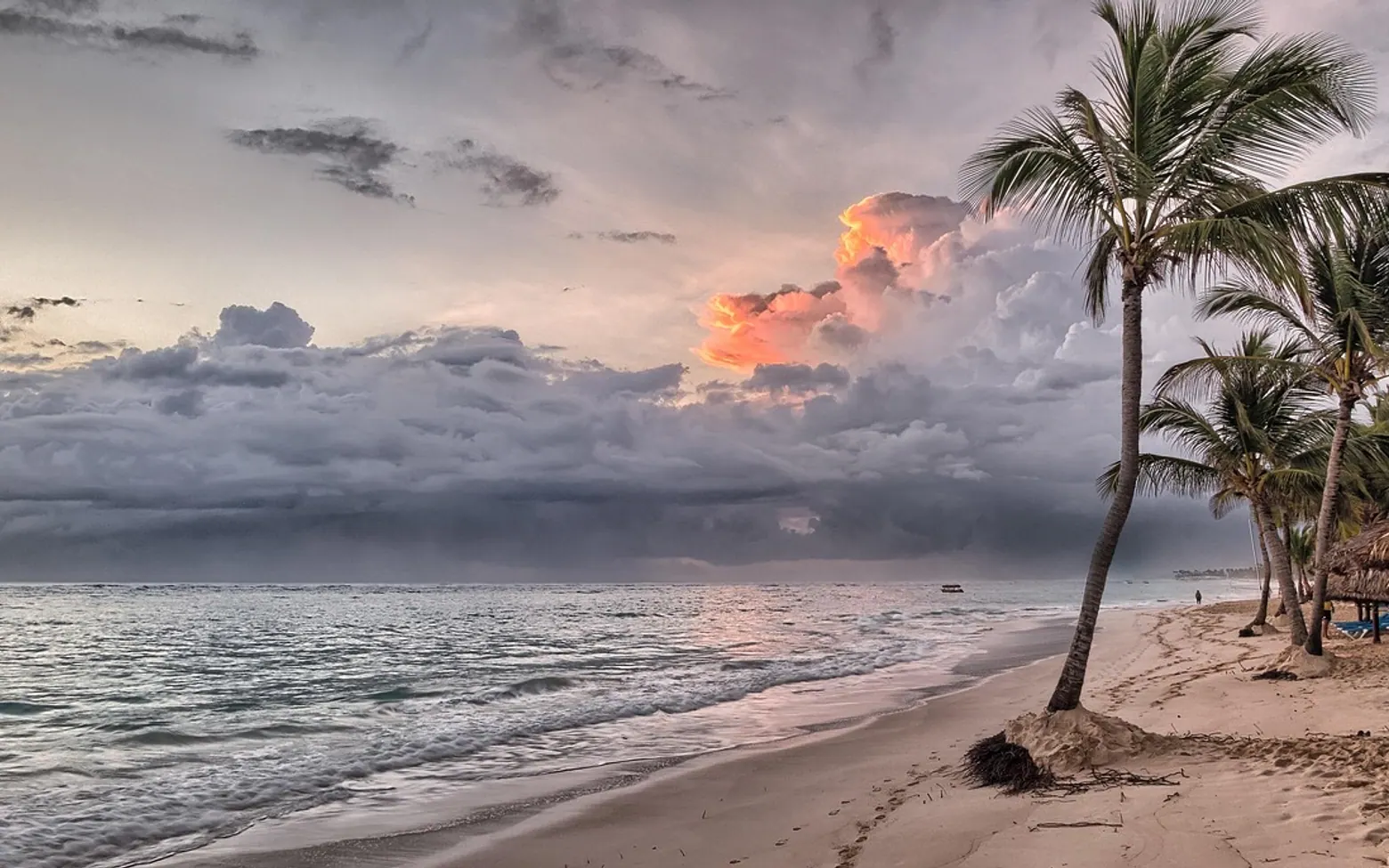
Puerto Morelos is warm in every month, so the real question is not whether it will be hot but what kind of warm you will get. The year splits roughly into a drier, breezier half from about November to April and a wetter, stickier half from about May to October, with the Atlantic hurricane season overlapping most of the second half. Each has something going for it, and each asks you to plan a little differently.
What follows is a plain-language picture of the seasons rather than a forecast. For the days you are actually travelling, check a current forecast and, during the storm months, the official tropical weather advisories.
The year at a glance
| Period | What it usually feels like | Good for | Watch out for |
|---|---|---|---|
| November to February | Warm days, cooler evenings, lower humidity | Long walks, outdoor concerts, sleeping without air conditioning on some nights | Windy spells from the north that churn up the sea |
| March and April | Dry, sunny and steadily warmer | Beach days, reef trips, festival evenings | Strong sun and busier holiday weeks |
| May to July | Hot, humid, first heavy showers | Cenote swims, early-morning outings | Midday heat, mosquitoes after rain, seaweed on the beach |
| August to October | Hottest and most humid, frequent downpours | Quiet streets and calmer prices in many places | Peak of the hurricane season |
The dry season: November to April
This is the stretch most visitors picture when they think of the Mexican Caribbean. Rain becomes occasional, the air loses some of its weight, and the breeze off the water makes afternoons easy to bear. Evenings can feel genuinely fresh, especially in December and January, so a light long-sleeved layer earns its place in the bag.
It is also when the town is at its liveliest. The music festival in Puerto Morelos has traditionally landed in late February or early March for exactly this reason: dry nights, a cooling wind and a sky that rarely interrupts a set. Expect more visitors around the year-end holidays and Easter, and book rooms early if your dates fall there.
The nortes
Winter has one quirk worth knowing. Every so often a cold front pushes down from the north, and locals call these spells nortes. For a day or several, the wind swings round, the sky turns grey, the temperature drops noticeably and the sea becomes choppy and murky. Reef boats may stay in port, and the beach can feel more like a windy promenade than a place to swim.
A norte is not a disaster, just a change of plan. They are good days for the botanical garden, a long lunch in town, a drive inland or simply a book and a hammock on a sheltered porch.
The wet season: May to October
As spring turns to summer, the heat and humidity build and the rains arrive. The typical pattern is a bright morning, clouds stacking up during the day and a short, heavy downpour in the afternoon or evening, often followed by sunshine again. Some days stay dry; others bring longer grey spells. The jungle turns a deeper green, and the cenotes feel even more welcome.
A few habits make these months comfortable:
- Do the active things early. Snorkelling, cycling and sightseeing are far easier before the late-morning heat.
- Rest through the middle of the day and head back out once the sun drops.
- Carry a light poncho rather than an umbrella; showers pass quickly.
- Use insect repellent at dusk, particularly after rain and near mangroves.
- Drink water steadily, and know the signs of heat exhaustion, such as dizziness, headache and nausea. Get into shade and seek medical help if they do not ease.
Clothing matters more in these months than at any other time. Our advice on what to wear to a beach music festival applies just as well to an ordinary humid evening in town: breathable fabrics, pale colours and shoes you can walk in.
Hurricane season
The Atlantic hurricane season officially runs from the start of June to the end of November, and the busiest weeks for the Caribbean usually fall between August and October. Most days in those months are simply hot and showery, and many seasons pass without a serious storm on this coast. When one does form, though, it can disrupt flights, ferries and tours for several days.
If you travel during these months:
- Choose flexible bookings where you can, and read the cancellation terms before paying.
- Take out travel insurance that clearly covers weather disruption.
- Follow the official national weather service and your accommodation's instructions if a storm approaches.
- Keep a small reserve of cash, water and a charged power bank, in case power or card machines go down.
The leaning lighthouse by the pier is itself a reminder of an old storm, and the town has long experience of preparing for them. Visitors simply need to stay informed and keep plans loose.
Sea conditions through the year
The water stays warm enough to swim in all year, warmest in late summer and noticeably cooler, though still pleasant, in midwinter. Clarity depends more on wind than on the calendar. Calm spells in spring and early summer often give the clearest days on the reef, while nortes in winter and storms in autumn stir up sand and reduce visibility. A good guide will choose the spot to match the conditions, which is one more reason to book reef outings through a licensed operator; our page on snorkelling the Puerto Morelos reef explains how those trips work.
From roughly spring into late summer, large mats of floating seaweed can also wash onto the beaches of the Mexican Caribbean. How much arrives changes greatly from year to year and even from week to week. On heavy days, an inland swim in one of the cenotes near Puerto Morelos is a refreshing alternative.
So when should you go?
There is no single right answer, only a trade-off:
- For the most comfortable weather, aim for late November to April, keeping the holiday peaks and the odd norte in mind.
- For festival nights, late winter into early spring has the driest evenings and the gentlest breeze.
- For quieter streets, the early summer and autumn months have fewer visitors, if you can live with the heat, the rain and the need for flexible plans.
Whatever month you pick, the rhythm that works best here stays the same: water and walking in the morning, shade at midday, and the town and its music once the heat lets go. Our overview of the best of Puerto Morelos is a good next stop once your dates are set.

In the spotlight
Food
- The Best Street Food in Puerto Morelos You Can't Miss3 min read
- Five of the Rarest Fruit Trees Around the World2 min read
- Best of Puerto Morelos3 min read
- Music Festival in Puerto Morelos2 min read