Set 10 of 10
Sargassum in Puerto Morelos: Planning a Beach Trip Around the Seaweed
- First played
- Length3 min read
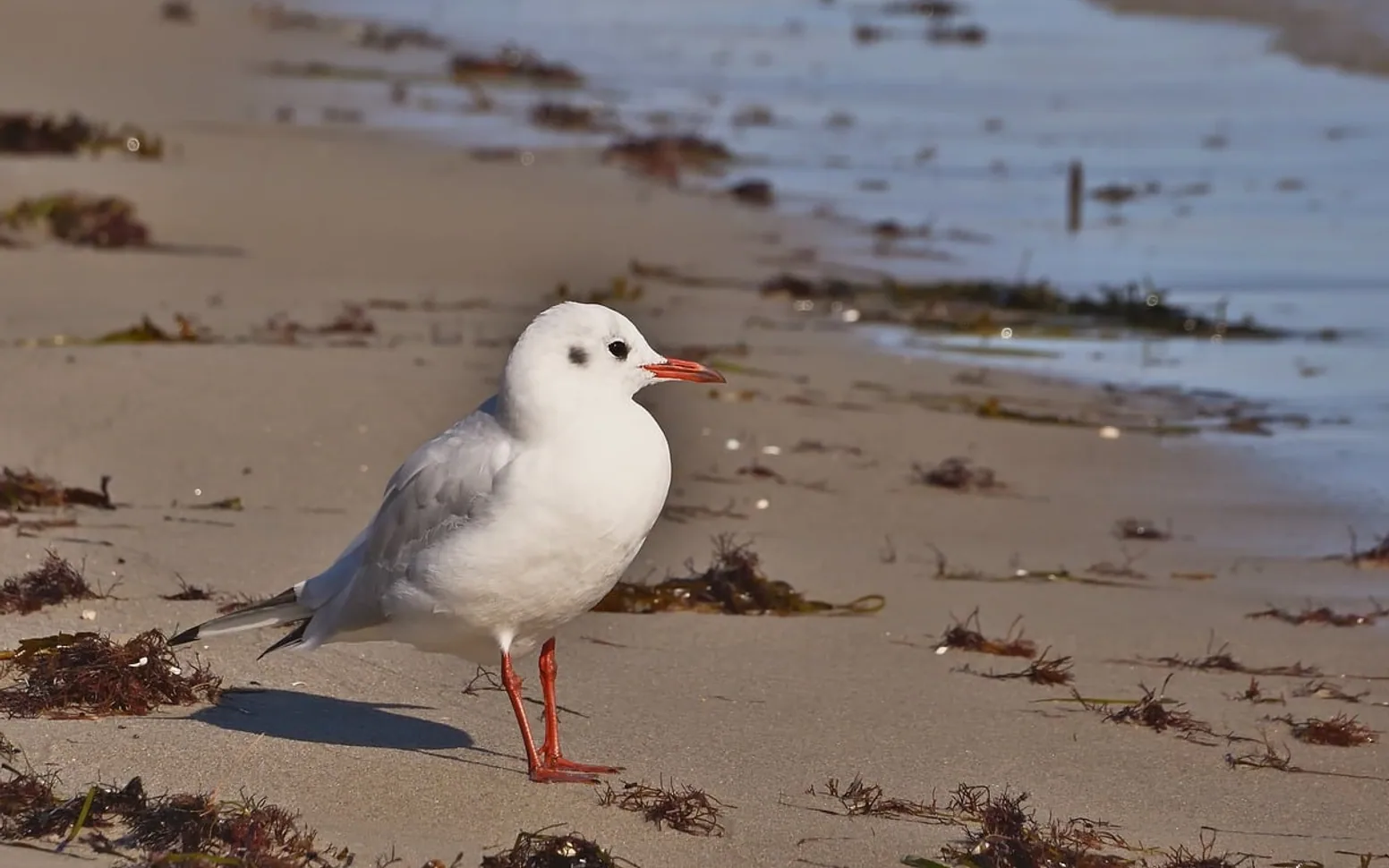
You arrive, walk down to the beach, and instead of white sand meeting turquoise water there is a wide brown band of seaweed along the shoreline, with a faint smell of eggs in the air. That is sargassum, and on the Mexican Caribbean it has become a regular part of the warmer months. It is unwelcome, but it is manageable, and it rarely ruins a trip for anyone who knows what to expect.
What sargassum is
Sargassum is a brown seaweed that floats on the open ocean, kept up by small gas-filled bladders. Out at sea it is a living habitat for fish, crabs and young turtles. Over recent years, large amounts have been drifting across the tropical Atlantic and into the Caribbean, and currents and winds carry some of it onto the beaches of Quintana Roo.
Floating offshore, it is harmless to look at. The trouble starts once it piles up on the sand and begins to rot in the heat. Decomposing seaweed releases gases with a strong sulphur smell, and thick mats in the shallows make swimming unpleasant.
When it tends to arrive
On this coast, sargassum is mostly a spring and summer issue, often appearing from around April and easing off towards autumn. Winter months usually see far less. That said, it is genuinely unpredictable:
- Some years bring heavy landings for months; others are light.
- One beach can be covered while another a short distance away is almost clear.
- Conditions can change in a day as the wind shifts.
Because of this, no one can tell you months ahead what a given week will look like. For a general sense of the seasons, our overview of Puerto Morelos weather sets out how the dry and wet halves of the year compare.
Checking conditions before you go to the beach
Quintana Roo runs a colour-coded alert system, often called the sargassum semáforo, that rates expected seaweed levels along different parts of the coast. Local news, tourism offices and many hotels share it. It is a useful guide, though it describes broad stretches of coast rather than the exact beach in front of you.
The most reliable check is still a local one. Ask at your accommodation in the morning, look at recent photos posted by people in town, or simply take a short walk to the shore before planning the day around it. Town crews and beachfront businesses often clear the sand early, so a beach that looked bad at dawn may be fine by mid-morning.
Health and safety notes
For most visitors, sargassum is a nuisance rather than a danger. A few sensible precautions still apply:
- Avoid sitting or lying next to large, rotting piles for long periods, especially in still air.
- People with asthma or other breathing conditions may be more sensitive to the smell and should move away if they feel unwell.
- Do not let children dig in or play with decomposing heaps.
- Rinse off after swimming through floating seaweed, since small sea creatures can live in it and some people find it irritates the skin.
- If symptoms such as breathing difficulty, persistent headache or a rash appear, see a doctor or pharmacist.
The general advice on sun, sea and swimming in our guide on staying safe in Puerto Morelos applies here too: swim where others swim, and respect any flags or notices on the beach.
Good days out when the beach is brown
The upside of a small town with jungle at its back is that the sea is only one of its pleasures. On heavy seaweed days, try:
- A boat trip to the reef. The reef sits away from the shoreline, and guides pick spots to suit the day. Our page on snorkelling the Puerto Morelos reef explains how those trips work.
- A cenote swim. Inland freshwater pools are untouched by seaweed and wonderfully cool. If you have never been in one, read up on what a cenote is first.
- Town time. The square, the pier, the artisan stalls and a long lunch fill a day easily.
- The botanical garden or mangroves, best early in the day with insect repellent.
Keeping it in perspective
Sargassum is a reminder that this is a living coast, not a postcard. Some weeks the water is perfect from end to end; some weeks it is not. Travellers who come with flexible plans, check conditions each morning and keep a cenote or a reef trip up their sleeve usually go home talking about everything else.

In the spotlight
Food
- The Best Street Food in Puerto Morelos You Can't Miss3 min read
- Five of the Rarest Fruit Trees Around the World2 min read
- Best of Puerto Morelos3 min read
- Music Festival in Puerto Morelos2 min read