Set 06 of 07
Digestion Problems? See a gastroenterologist!
- First played
- Length3 min read
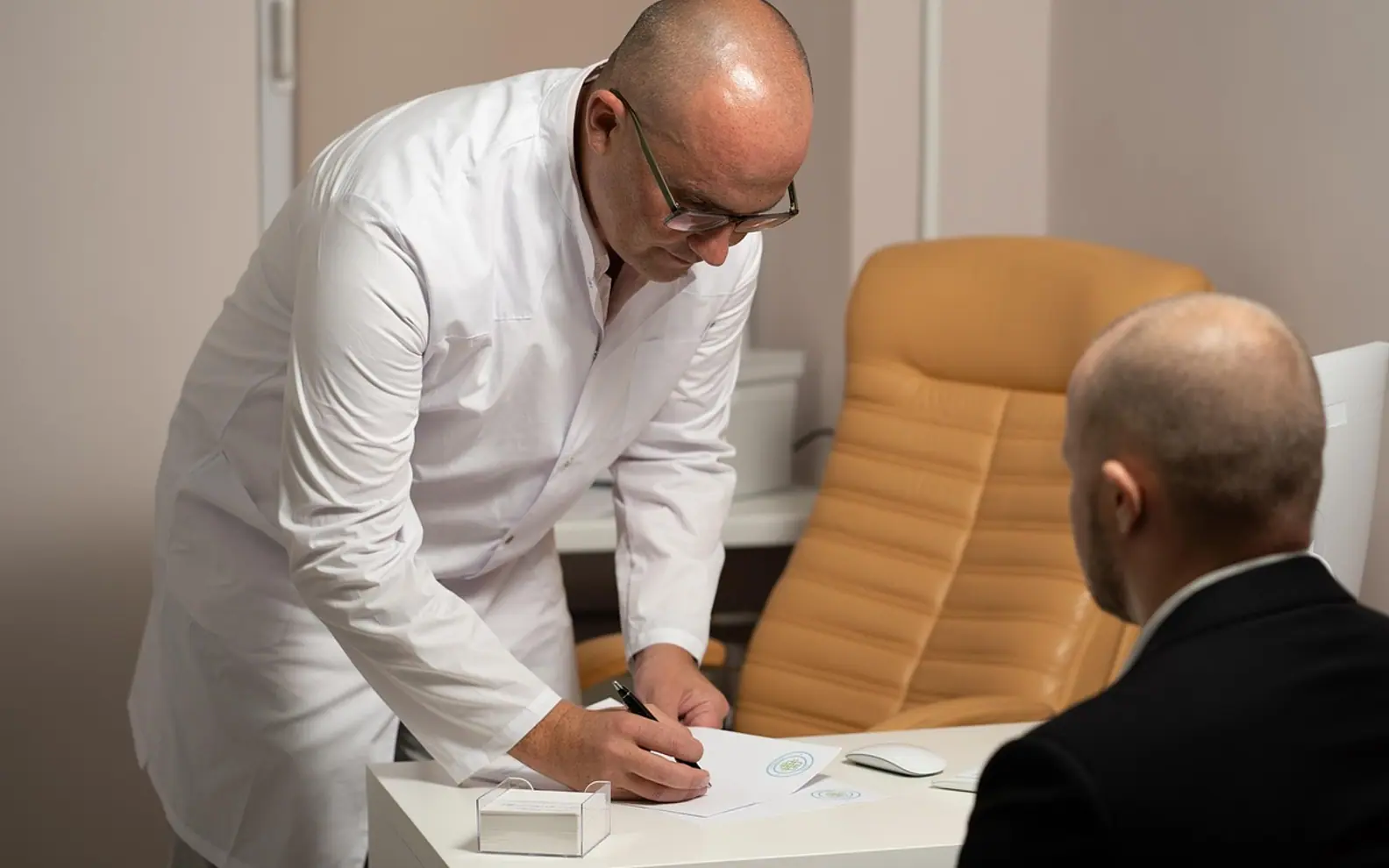
Most of us shrug off the occasional upset stomach. A heavy meal, a long bus ride, too much coffee before a late set at a festival: the gut complains, then settles down. The trouble starts when the complaints stop settling. Heartburn that shows up most evenings, bloating that never quite fades, or bowel habits that have changed for weeks are signals worth taking to a professional rather than treating with guesswork.
What a gastroenterologist actually looks after
A gastroenterologist is a physician who has trained specifically in the digestive tract. That covers a long chain of organs: the esophagus, stomach, small and large intestine, rectum, and the organs that feed into the process, such as the liver, gallbladder, bile ducts and pancreas. Because these parts work as one system, a symptom in one place can have its cause somewhere else, and that is exactly the puzzle this specialty is built to solve.
Many people reach a specialist through their family doctor, who may suggest a referral once simple measures have not helped. Others search directly for a doctor for gastro near where they live, which can be a sensible step when symptoms keep coming back. Either way, the first appointment is usually a conversation: what you eat, when the discomfort appears, what makes it better or worse, and what runs in your family.
Tests you might hear about
Not everyone needs a test, and the choice always depends on the person in the chair. Still, it helps to know the names before they come up:
- Abdominal ultrasound: a painless scan that uses sound waves to look at organs such as the liver, gallbladder and kidneys.
- CT scan: a series of X-ray images combined by a computer into detailed cross-sections of the abdomen.
- MRI: uses magnets and radio waves rather than X-rays, and is often chosen when earlier images leave open questions, for example about the bile ducts or the liver.
- Upper and lower GI studies: X-ray exams that use a contrast liquid so the outline of the esophagus, stomach or colon shows up clearly.
- Endoscopy and colonoscopy: a thin flexible camera lets the doctor see the lining of the gut directly, and colonoscopy is also a common screening tool for the large bowel.
Your doctor will explain why a particular test is being suggested, how to prepare and what the results can and cannot tell you. Ask as many questions as you need.
Long-term conditions and ongoing care
Some digestive problems are one-off events. Others, such as Crohn's disease, ulcerative colitis or irritable bowel syndrome, tend to come and go over years. For these, a gastroenterologist often becomes a long-term partner, adjusting treatment as life changes and watching for flare-ups. The goal is usually to keep symptoms manageable so daily life, travel and work are not built around the nearest bathroom.
Getting ready for your first appointment
A little preparation makes the visit far more useful. Before you go, try keeping a short symptom diary for a week or two: what you ate, when discomfort started, how long it lasted. Carry a written note of each medicine and supplement in your routine. Note any warning signs, such as blood in the stool, unexplained weight loss, trouble swallowing or pain that wakes you at night, and mention them early, since they deserve prompt attention. If you are traveling or living abroad, ask a local clinic or your insurer how referrals work where you are, as the process differs from country to country.
Digestive health shapes energy, mood and sleep more than most people realize. Paying attention to a gut that keeps sending the same message, and talking it through with a qualified doctor, is a practical way to look after the rest of you.

In the spotlight
Food
- The Best Street Food in Puerto Morelos You Can't Miss2 min read
- Five of the Rarest Fruit Trees Around the World2 min read
- Best of Puerto Morelos3 min read
- Music Festival in Puerto Morelos2 min read