Set 05 of 07
Essential Guide To Caring For Your Dental Implants
- First played
- Length3 min read
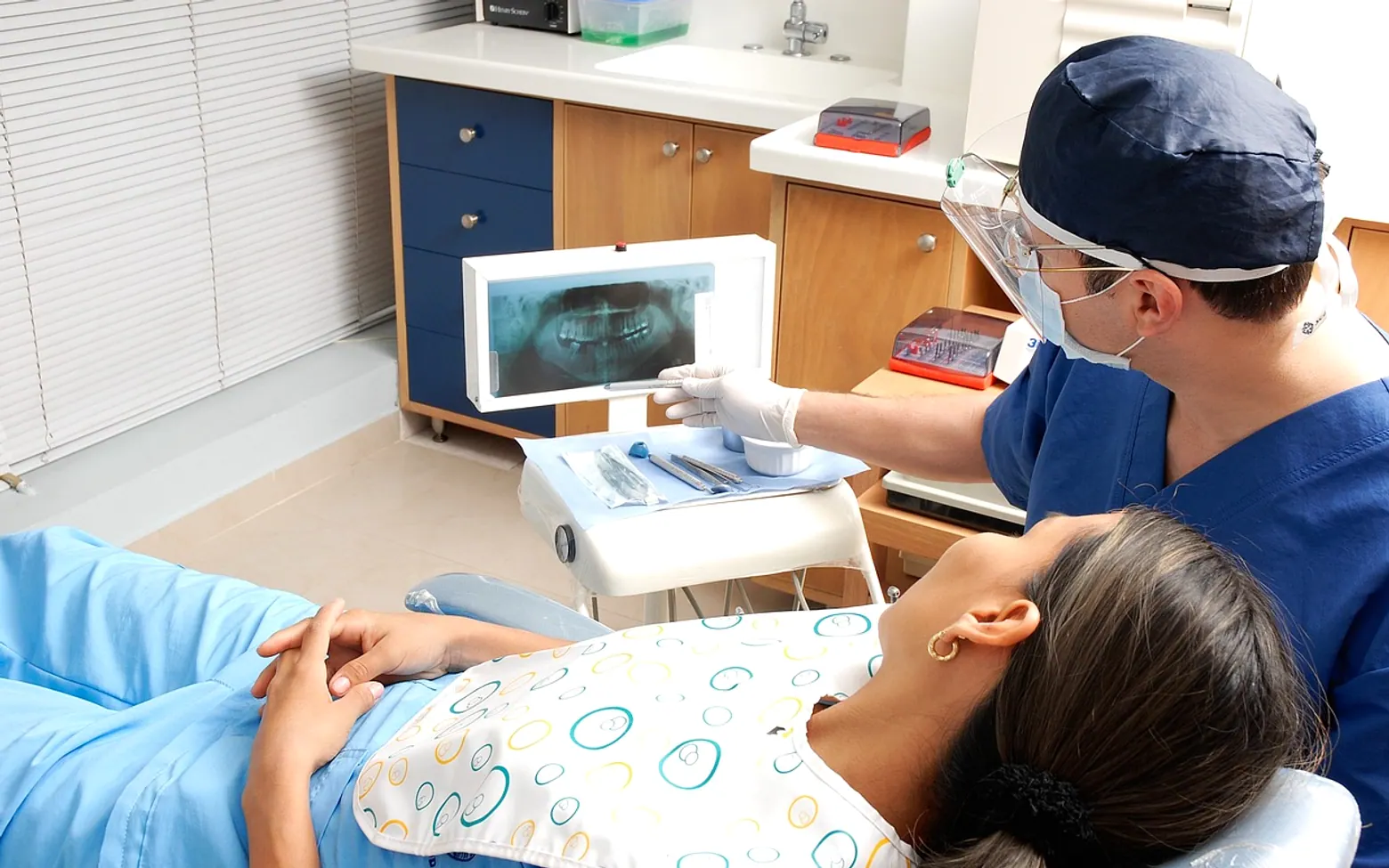
A dental implant replaces the root of a missing tooth with a small post placed in the jawbone, topped by a crown that looks and works much like a natural tooth. Unlike a removable denture, it stays put. That permanence is the appeal, but it also means the implant depends on the same thing natural teeth do: steady, unglamorous daily care.
Where people get their implants
Implant treatment is a significant investment of time and money, and patients compare options more widely than they used to. Some stay with a local practice they already trust; others look further afield and choose to get a tooth implant abroad in Croatia or elsewhere, often combining treatment with a trip. Wherever the work is done, ask how follow-up appointments will be handled, what aftercare instructions apply to your specific implant, and who to contact if something feels wrong once you are home. A clear plan for after the procedure matters as much as the procedure itself.
The daily routine
Think of an implant as a tooth that cannot feel trouble coming. The crown itself does not decay, but the gum and bone around it can become inflamed if plaque builds up, and that is the main threat to an implant's long life.
- Brush twice a day, paying attention to the gum line around the implant. Your dentist may recommend a particular brush type or a low-abrasive toothpaste.
- Floss or brush between the teeth daily. Floss designed for implants, small interdental brushes or a water flosser can all help reach the spaces a brush misses.
- Be gentle but thorough. Scrubbing hard does not clean better and can irritate the gums.
Ask your dentist or hygienist to show you the technique in your own mouth. A few minutes of guidance at the chair often makes more difference than any product.
Keep your check-ups
Regular dental visits remain important after treatment. During a check-up the dentist can look at the gum around the implant, check the bite and clean areas that are hard to reach at home. Problems caught early are usually far simpler to deal with. If you notice bleeding, swelling, a loose feeling or discomfort when chewing, book an appointment rather than waiting for the next routine visit.
Habits that work against you
Smoking is one of the habits dentists raise most often with implant patients. It can slow healing and is linked with gum problems, which puts the support around an implant at risk. If you smoke, your dentist or doctor can talk through ways to cut down or stop, ideally before treatment begins.
Hard foods and objects deserve some thought too. Crunching ice, biting down on hard sweets, opening packets with your teeth or chewing pens can damage crowns on implants just as they can chip natural teeth. If you grind your teeth at night, mention it; a night guard may be suggested to protect the work.
Living with an implant
For most people, caring for an implant soon becomes part of an ordinary routine, no more complicated than looking after the teeth around it. Brush and clean between the teeth daily, keep your check-ups, avoid the habits that strain the crown and gums, and follow the specific advice your own dentist gives you. Those simple steps give an implant the best chance to serve you well for many years.

In the spotlight
Food
- The Best Street Food in Puerto Morelos You Can't Miss2 min read
- Five of the Rarest Fruit Trees Around the World2 min read
- Best of Puerto Morelos3 min read
- Music Festival in Puerto Morelos2 min read