Set 07 of 07
Physical Fitness: Best Equipment to Use at the Gym
- First played
- Length3 min read
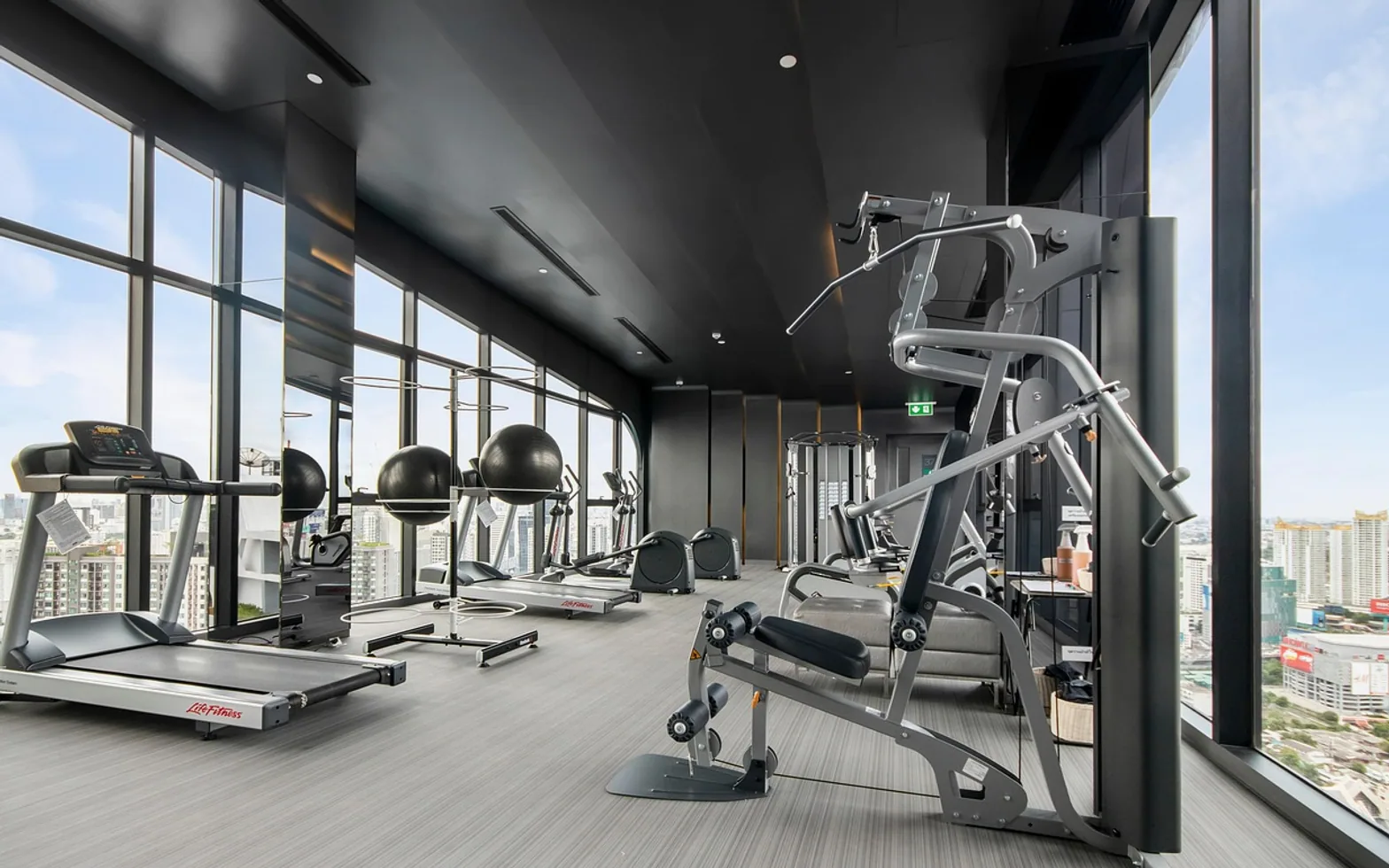
Walking into a gym for the first time can feel like arriving at a festival without a map. Rows of frames, cables and screens all promise something, and it is hard to know where to begin. The good news is that a handful of machines cover most of what a newcomer needs, and the weight machines found in most gyms are designed to guide your movement, which makes them a sensible place to start while you learn the basics.
Before trying anything new, it is worth checking with a doctor if you have a heart condition, joint problems, an old injury or have been inactive for a long time. Gym staff can also show you how to adjust each station so it fits your body.
Building the Back: The Lat Pull-Down
The lat pull-down targets the broad muscles that run from under the armpits down the sides of the back, along with the muscles around the shoulder blades. It is a useful stepping stone if pull-ups are a goal you are working toward, because you choose the load instead of lifting your full body weight.
Sit with your thighs tucked under the pad and your feet planted. Keep your chest lifted and draw the bar toward your upper chest by squeezing your shoulder blades together rather than yanking with your arms. An underhand grip tends to feel easier at first; a wider overhand grip shifts more of the work to the back. Start light and focus on a smooth, controlled return.
Arms Without the Swing: The Cable Curl
A straight or angled bar attached to a low cable is a friendly way to train the biceps, the muscles at the front of the upper arm that bend the elbow. Because the cable keeps steady tension through the whole movement, it discourages the swinging that often creeps in with free weights.
Stand tall with your feet about hip-width apart, knees soft and head still. Keep your elbows close to your sides and curl the bar up, then lower it slowly. If your back starts to arch or your shoulders roll forward, the weight is probably too heavy.
Steady Cardio: The Treadmill
The treadmill is often the most familiar machine in the room, which makes it a comfortable warm-up station. The belt gives you an even surface, so you can concentrate on rhythm instead of watching for uneven pavement. Begin with an easy walk, then raise the speed or the incline gradually until your breathing picks up but you can still speak in short sentences.
Walking and running on a treadmill work the legs and support general fitness. If you have knee, hip or ankle concerns, a gentler pace or a slight incline walk may feel better than running, and a physiotherapist can advise on what suits you.
Low-Impact All-Rounder: The Elliptical
The elliptical trainer blends the motion of cycling, stair climbing and cross-country skiing into one gliding stride. Your feet never leave the pedals, which keeps the impact on your joints low. With handles that move, your arms and upper body join in too, while the lower body works the glutes, thighs and calves.
Most ellipticals offer adjustable resistance and preset programs, so you can vary your sessions without much planning. Keep your posture upright, avoid leaning heavily on the handles, and let your heels stay in contact with the pedals as you move.
Easing Into a Routine
A simple first plan might be a short warm-up on the treadmill or elliptical, two or three sets on the pull-down and cable curl, and a few minutes of easy cardio to cool down. Rest days matter as much as training days. Progress at a pace that feels sustainable, stop if something hurts in a sharp or unusual way, and remember that consistency over weeks counts for more than any single heroic session.

In the spotlight
Food
- The Best Street Food in Puerto Morelos You Can't Miss2 min read
- Five of the Rarest Fruit Trees Around the World2 min read
- Best of Puerto Morelos3 min read
- Music Festival in Puerto Morelos2 min read