Set 03 of 04
Five of the Rarest Fruit Trees Around the World
- First played
- Length2 min read
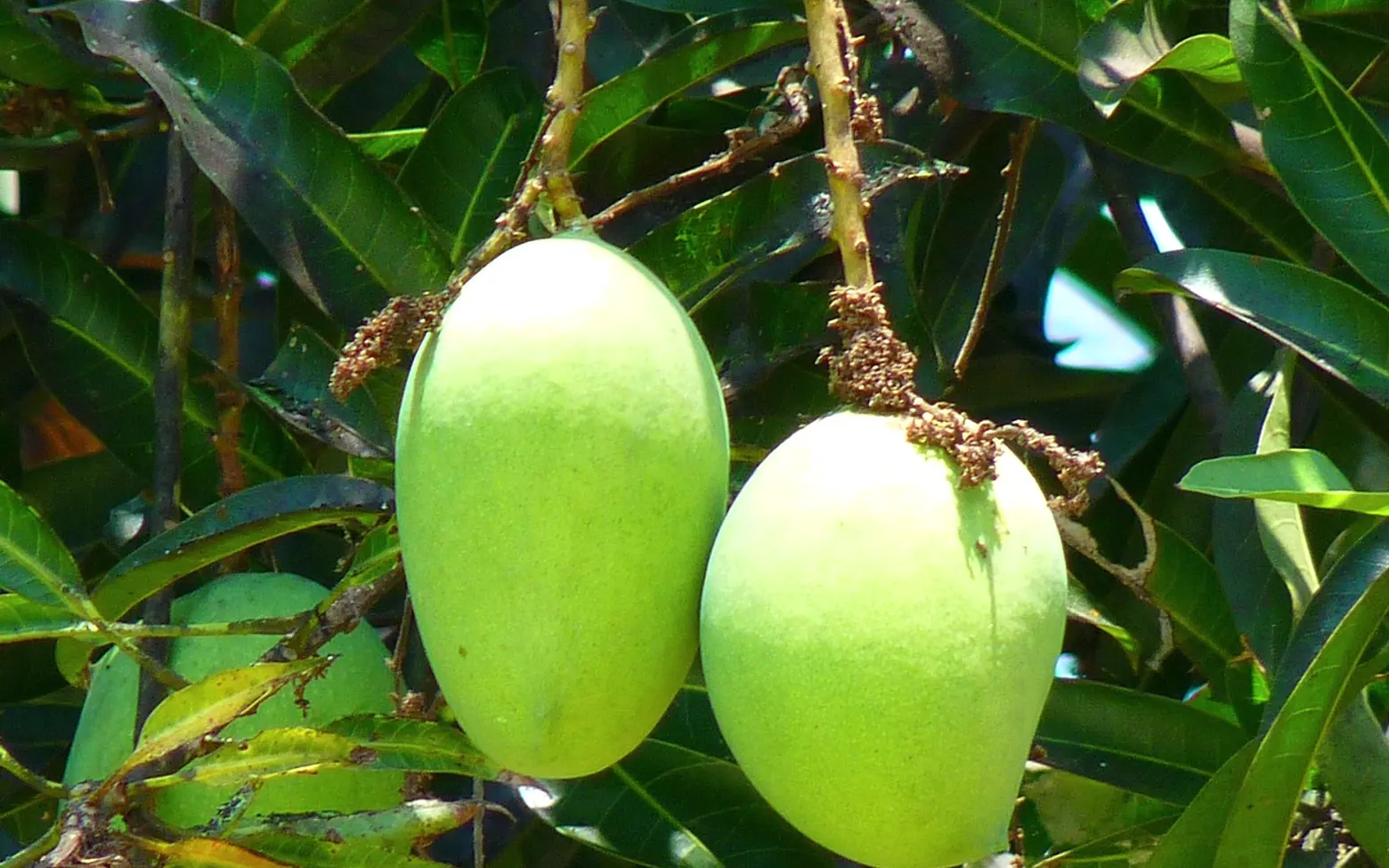
Supermarket fruit bowls look much the same in most cities: bananas, apples, oranges, perhaps a mango. Travel a little further, though, especially through the tropics, and you find trees that most visitors have never seen in person. Here are five that tend to surprise people, along with what makes each one memorable.
Durian: the king with a reputation
The durian grows mainly in Southeast Asia and is closely associated with Malaysia and Indonesia. It is a tall tree, and its large fruit hangs from the branches wrapped in a hard, spiky husk. Inside are soft, custard-like segments. The fruit is famous for its strong aroma, which some people adore and others cannot stand, and in parts of the region it is not allowed on public transport or in certain hotels. Of the many durian species, only some produce fruit people eat.
Ackee and rambutan: color and caution
Ackee belongs to the soapberry family and originally comes from West Africa, though it is now firmly linked with Jamaican cooking. The evergreen tree bears red pods that split open when ripe to show glossy black seeds sitting on pale yellow flesh. That flesh is the part eaten, and only once the fruit has opened naturally on the tree; unripe ackee and the seeds are toxic, so it is a fruit best prepared by people who know it well.
Rambutan is far friendlier to newcomers. Found across Southeast Asia, including Thailand, Vietnam and the Philippines, it produces clusters of red or yellow fruit covered in soft, hair-like spines. Peel one open and you find a juicy, translucent center with a sweet taste often compared to lychee, a close relative.
Jackfruit and jabuticaba: giants and trunk-growers
The jackfruit tree carries what is often described as the largest tree-borne fruit in the world. The fruits grow directly from the trunk and thick branches, and a single one can be too heavy to carry comfortably. Ripe jackfruit is sweet and fragrant; young, unripe fruit has a neutral taste and a stringy texture, which is why it is cooked as a savory dish and has become popular as a meat substitute. Even the seeds can be boiled or roasted.
Jabuticaba, native to Brazil, is perhaps the strangest-looking of the five. Its small, dark purple fruits sprout straight from the bark, so a tree in season looks as if its trunk is covered in grapes. The thick skin hides a sweet white pulp that is eaten fresh or turned into jams, jellies and drinks. Because it stays fairly compact and keeps its leaves all year, it is also grown as an ornamental tree.
Seeing them for yourself
Many of these trees thrive in climates similar to the Mexican Caribbean, so markets and gardens in tropical regions are good places to look for them; rambutan and jackfruit in particular appear in some local markets in Latin America. If you would rather try growing something unusual at home, specialist nurseries offer rare fruit trees along with advice on whether your climate can support them. Check local rules first, since some regions restrict importing plants. Whether you taste them on a trip or tend one in a pot, these trees are a reminder of how much variety the world's orchards hold.
In the spotlight
Food
- The Best Street Food in Puerto Morelos You Can't Miss2 min read
- Five of the Rarest Fruit Trees Around the World2 min read
- Best of Puerto Morelos3 min read
- Music Festival in Puerto Morelos2 min read